


The Fallas of Valencia are one of the most spectacular and authentic festivals in Spain. During the month of March, the city undergoes a complete transformation: the streets are filled with artistic monuments, the sound of gunpowder sets the rhythm of the day, and tradition is experienced in every neighbourhood.
In 2026, we are also celebrating a special milestone: it marks 10 years since UNESCO declared the Fallas a World Heritage cultural event, recognising a unique festival that combines art, satire, fire, and popular participation.
If you are thinking about visiting Valencia in March, or studying Spanish in Spain while enjoying a cultural experience, this guide will help you understand what the Fallas are, when they take place, and how to make the most of them.
When are the Fallas of Valencia?
The Fallas of Valencia will officially be held from 1 to 19 March 2026, although the most intense days coincide with the so-called Fallas Week, from 15 to 19 March.
- Official start: 22 February (Crida)
- Main days: 15–19 March
- End of the festival: night of 19 March, with the Cremà
During these weeks, Valencia is practically alive 24 hours a day in the streets.
Official schedule of the Fallas of Valencia 2026
Below is the itinerary with the most notable events and approximate times, perfect for planning your visit so you don’t miss a thing!
Sunday 22 February: La Crida
La Crida is the event that officially kicks off the Fallas.
- Held at the Torres de Serranos at 19:00
- The Falleras Mayores and city authorities invite locals and visitors to enjoy the festival with their “Ja estem en Falles!”
- Concludes with a spectacular light and pyrotechnic show
From this day onwards, Valencia officially enters the Fallas programme.
Saturday 28 February: Cabalgata del Ninot
The Cabalgata del Ninot is one of the most fun and relaxed events of the Fallas and clearly marks the transition towards the festival’s main days.
Starting at 17:30, the fallas commissions parade through the city centre with floats, costumes, music, and choreographed performances, always with a humorous and satirical tone.
- Usual route: Glorieta → Calle de la Paz → Calle San Vicente → Plaza del Ayuntamiento → Calle Marqués de Sotelo
- Disfraces, comparsas y escenas satíricas inspiradas en la actualidad
- Music, entertainment, and a festive atmosphere throughout the historic centre
1–19 March: Daily Mascletàs and Fireworks
From 1 March until the end of the festival:
- Daily Mascletà at 14:00
- Fireworks are launched from the Plaza del Ayuntamiento
The Mascletà is not a visual spectacle but an auditory experience, where the rhythm, noise, and vibration of the gunpowder are the main attraction
In addition, throughout the month, there are night-time fireworks displays in the Alameda and other parts of the city.
The most important displays will be on:
22 February (after La Crida)
15 March (L’Alba de les Falles)
18 March (Nit del Foc)
19 March (Cabalgata del Fuego)
Until 15 March: Exposición del Ninot
Before the fallas are installed in the streets, the Exposición del Ninot takes place:
- Each fallas commission presents a ninot
- The public votes for their favourite
- The most voted becomes the Ninot Indultat, the only one saved from the fire
The winner is announced on 15 March and becomes part of the Falleras Museum of Valencia.
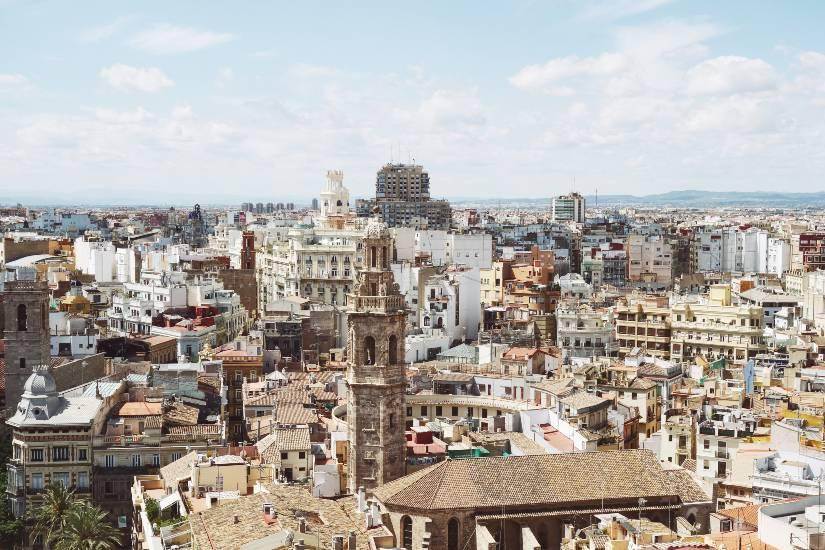
Fallas Week: Plantà, Ofrenda, and Cremà
This is the heart of the festival.
15 y 16 de marzo: La Plantà
La Plantà is the moment when all the fallas are fully installed in the streets.
- From early morning, the neighbourhoods fill with cranes and activity
- By the end of the day, Valencia becomes an open-air museum
- It is the best time to start exploring the city on foot
On 15 March, the children’s fallas are installed, and on 16 March, all the fallas are completed. From then on, the monuments can be visited and photographed.
One of the most visited is the Falla Municipal, located in Plaza del Ayuntamiento.
If it is your first time in Valencia at this time of year, we recommend visiting the largest and most popular fallas, known as the Sección Especial:
Falla Convento Jerusalén
Falla Reino de Valencia – Duque de Calabria
Falla Sueca – Literato Azorín
Falla Exposición – Micer Mascó
Falla Almirante Cadarso – Conde de Altea
Falla Na Jordana
Falla Cuba – Literato Azorín
Falla Plaza del Pilar
Falla L’Antiga de Campanar
You can check a map of the best Fallas in Valencia
17 & 18 March: La Ofrenda
The Ofrenda to the Virgen de los Desamparados is one of the most moving events of the Fallas.
- Thousands of falleros and falleras parade in traditional Valencian dress
- They carry flowers to the Plaza de la Virgen, very close to our Spanish school
- The flowers create an impressive floral mantle
It is an event that combines tradition, emotion, and visual beauty – highly recommended even if it is your first time in Valencia.
18 March: Nit del Foc
The night of 18 March is Nit del Foc, the greatest pyrotechnic display of the Fallas.
- A grand fireworks show
- Thousands of people gather to watch
- Marks the emotional climax of the festival before the finale
Throughout March, night-time mascletàs are also held around the city (Plaza del Ayuntamiento, Antigua estación del Grao, Marxalenes, and Explanada de Nou Campanar).
19 March: San José and La Cremà
19 March is the most important day of the Fallas, as it honours the patron saint of the city, Saint Joseph.
In the afternoon:
- Cabalgata del Fuego, a parade full of gunpowder, music, and visual effects that runs along Calle Colón, from Calle de Ruzafa to the Puerta del Mar
At night, all the fallas are burned:
- 20:00 → Cremà of the children’s fallas
- 22:00 → Cremà of the large fallas
- 23:00 → Cremà of the Falla Municipal
With the fire, Fallas 2026 come to an end… until the following year.
How to experience the Fallas like a true Valencian
Beyond the official events, the Fallas are lived in the streets:
- Afternoon outings and festive atmosphere in neighbourhoods like Ruzafa or El Carmen
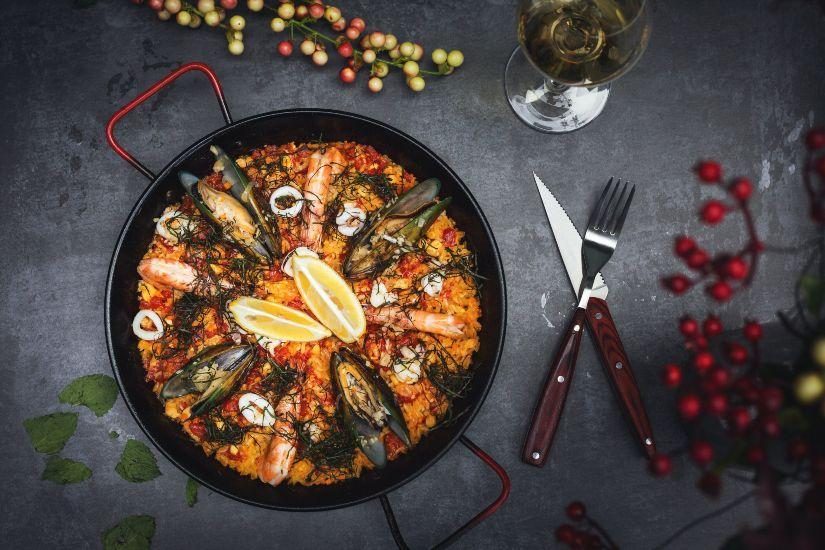
- Typical cuisine: paella, buñuelos, hot chocolate, and Valencian tapas
- Music and popular street parties (verbenas)
- The pasodoble Paquito el Chocolatero heard on every corner
It’s not a festival to just watch, it’s meant to be lived. Get ready to dance!
Frequently Asked Questions about the Fallas of Valencia
Are the Fallas suitable for children?
Yes. There are children’s fallas and family-friendly activities, although the noise from the gunpowder can be intense during some events.
Is it necessary to book accommodation in advance?
Yes, highly recommended. March is high season in Valencia, and demand for accommodation rises significantly during the Fallas.
What time are the mascletàs and fireworks?
The mascletàs are held daily at 14:00 in Plaza del Ayuntamiento. Fireworks usually take place in the evening, especially during Nit del Foc.
What clothing is recommended during the Fallas?
Comfortable shoes for walking, light seasonal clothing, and a light jacket for the evening. The festival is mostly outdoors, and there is a lot of walking.
Can the Fallas be enjoyed without prior knowledge of the tradition?
Yes. Yes. The Fallas are very accessible to visitors. Even without knowing all the details, the atmosphere, art, and festival spirit can be enjoyed from the very first moment.
Experience the Fallas while learning Spanish with Españolé
If you want to enjoy the Fallas and other traditional Spanish festivals, March is one of the best times to study a Spanish course in Valencia: pleasant weather, an international environment, and a lively city.
At Españolé, our Spanish school offers intensive courses in March that allow you to:
- Learn Spanish in real-life situations
- Experience the Fallas from the inside, not as a tourist
- Enjoy the start of spring on the Mediterranean coast
We also guide you through the entire process: from choosing the course that best suits you to finding suitable student accommodation in Valencia. Do you want to live the Españolé experience? – Contact us today!


