


Thinking about visiting Valencia in 2027? From the spectacular Fallas in March to traditional flower parades, religious celebrations and summer festivities, Valencia offers cultural experiences throughout the year.
If you’re looking for festivals in Valencia, Spain, it’s useful to know when they take place and which celebrations are official public holidays. After all, not every festival means a day off, and some events can completely transform daily life in the city.
In this guide, we’ll explore the main Valencia festivals in 2027, their dates and traditions, followed by the official calendar of Valencia Bank Holidays. You’ll also find practical advice to help you choose the best time to visit or take a Spanish course in Valencia.
Festivals in Valencia 2027: The celebrations you shouldn’t miss
Valencia’s cultural calendar combines centuries-old traditions with music, art, gastronomy and community celebrations.
Here are some of the most interesting festivals to experience in 2027.
1. Three Kings’ Day – 5 and 6 January
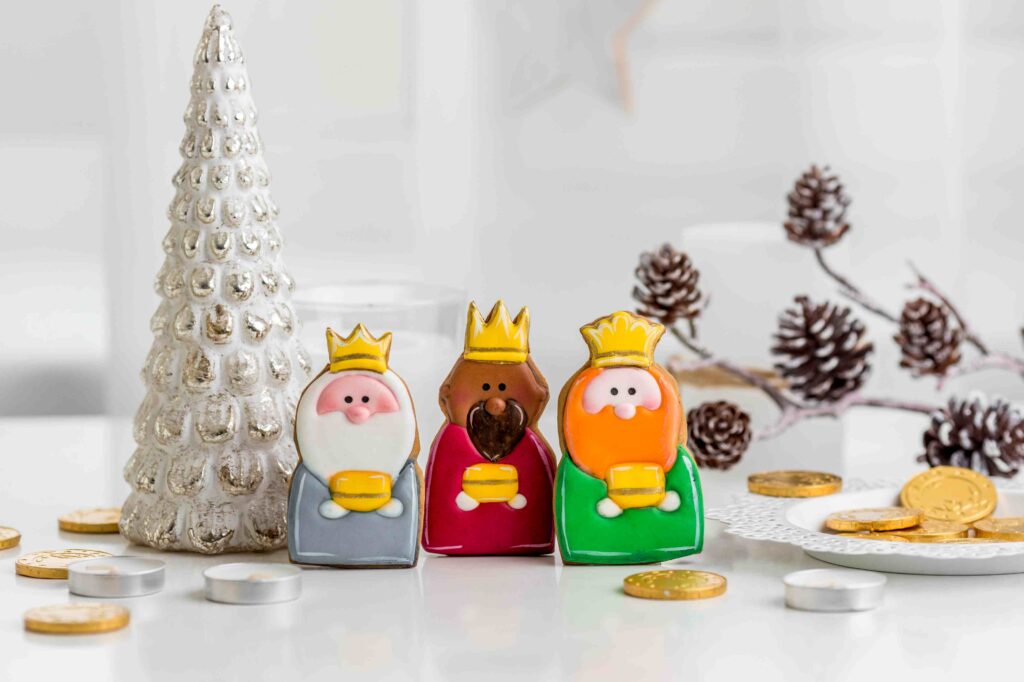
In Spain, the Christmas season traditionally continues until 6 January, when families celebrate Día de Reyes (Three Kings’ Day).
On the evening of 5 January, Valencia welcomes the Three Kings with a colourful parade known as the Cabalgata de Reyes. Decorated floats, music and sweets create a special atmosphere, especially for children.
Another tradition is eating roscón de Reyes, a ring-shaped sweet bread that often contains cream.
What to expect: Festive streets, family activities and many shops closing on 6 January, which is a national public holiday.
2. Las Fallas – 1 to 19 March
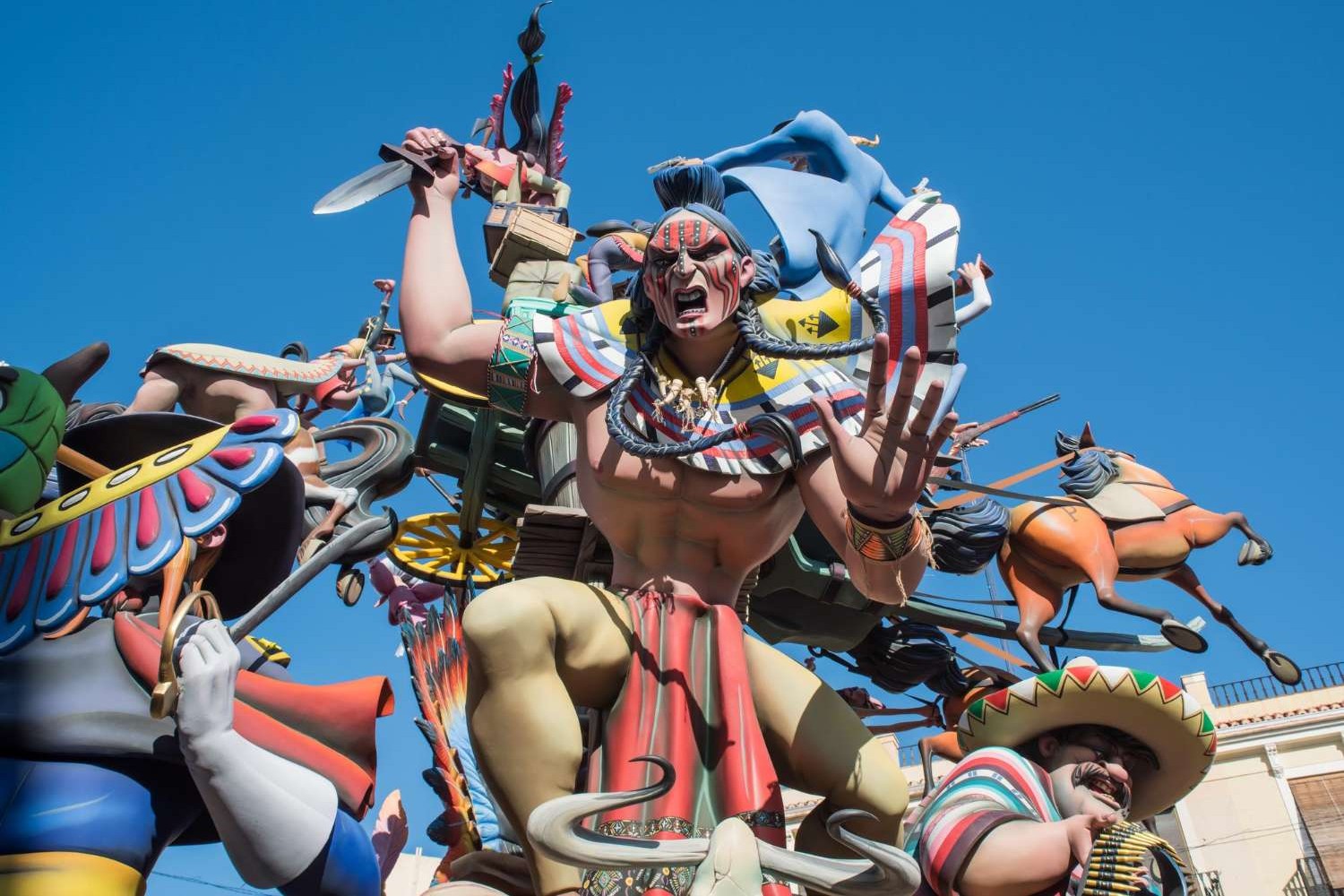
Las Fallas is Valencia’s most internationally recognised festival and one of the most extraordinary cultural celebrations in Spain.
Every March, the city fills with enormous artistic monuments called fallas, traditional music, fireworks and thousands of visitors.
The main traditions include:
- La Mascletà: A spectacular daytime firecracker display.
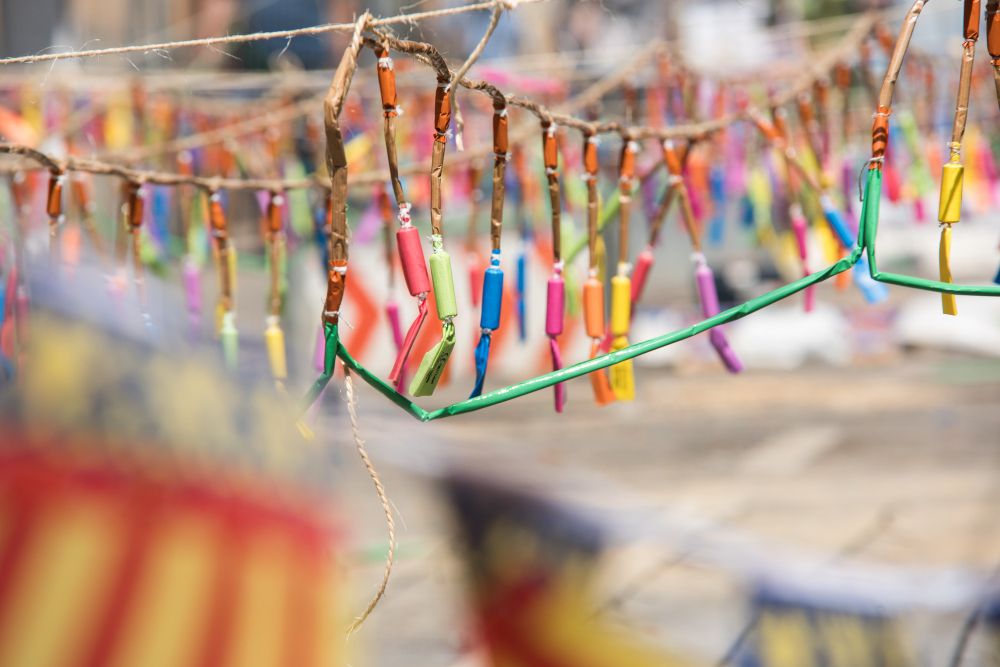
- La Plantà: The installation of the Fallas monuments in the streets.
- La Ofrenda: A flower offering to the Virgin Mary.
- La Cremà: The burning of the monuments on 19 March.
The festival is recognised by UNESCO as Intangible Cultural Heritage of Humanity.
What to expect: Large crowds, loud fireworks, road closures and a city full of celebrations. If you’re sensitive to noise or prefer a quieter atmosphere, consider visiting outside the main Fallas dates.
Although the festival lasts for several weeks, only 19 March is an official public holiday in Valencia in 2027.
3. Semana Santa Marinera – 21 to 28 March
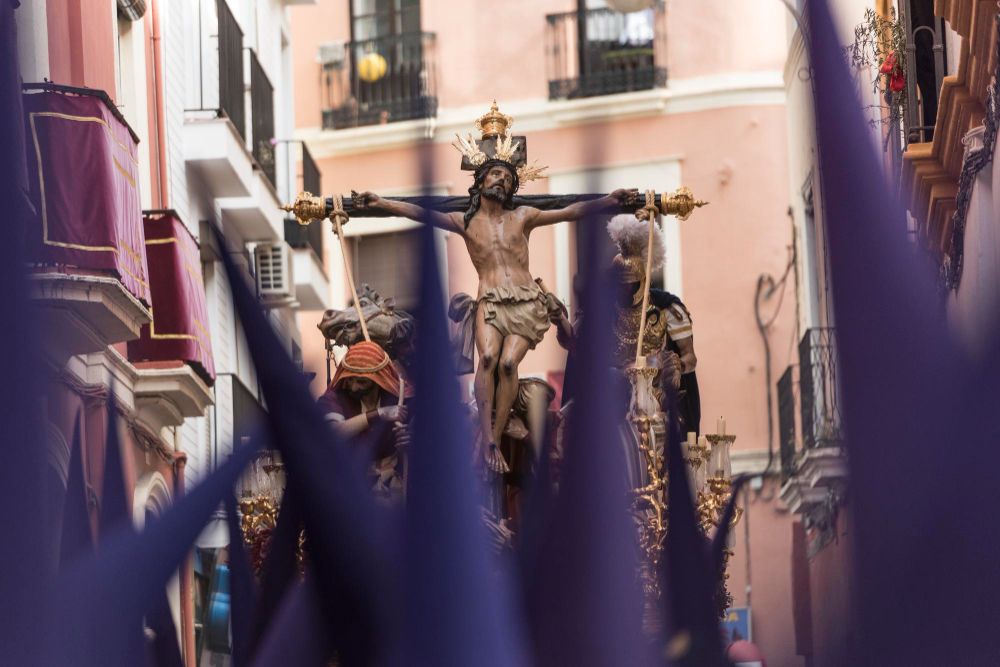
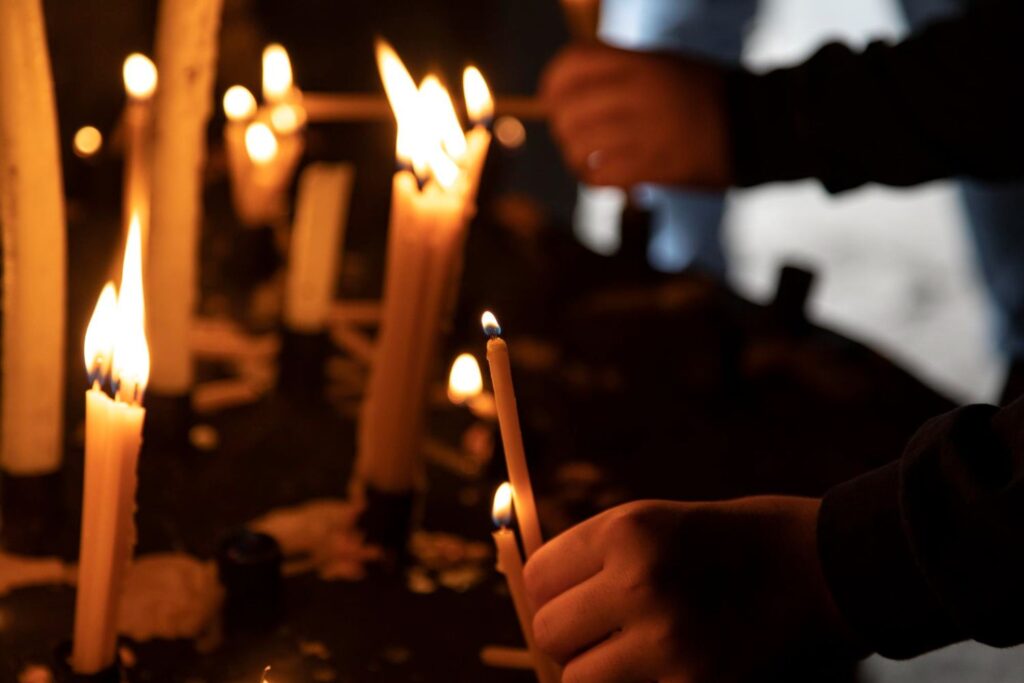
Easter is celebrated throughout Spain, but Valencia has its own distinctive tradition: Semana Santa Marinera.
The celebrations take place in the maritime neighbourhoods of El Cabanyal, El Canyamelar and El Grau, reflecting the city’s historic relationship with the Mediterranean Sea.
Good Friday is particularly solemn, while Easter Sunday brings a more joyful atmosphere.
What to expect?
- Religious processions: During Holy Week, religious brotherhoods organise processions through the streets, accompanied by music, traditional clothing and religious images.
- Cultural traditions: Families also enjoy mona de Pascua, a traditional Easter sweet, often eaten outdoors with friends and relatives.
- Changes to normal business hours during the Easter holidays.
In 2027, Good Friday falls on 26 March and Easter Monday on 29 March. Both are official public holidays in Valencia.
Learn more about Semana Santa Marinera in our Spanish-language article.
4. Saint Vincent Ferrer – 5 April
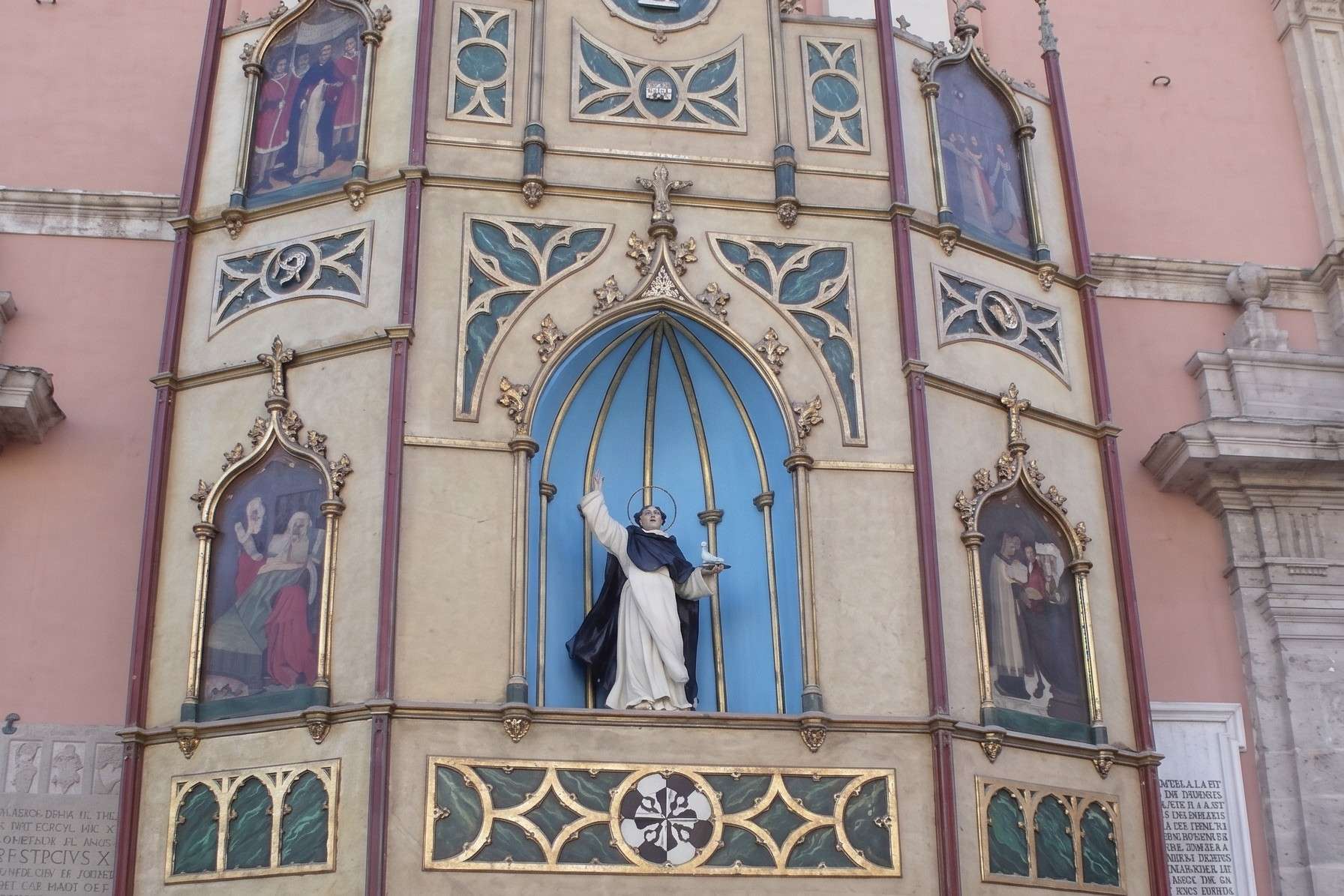
Saint Vincent Ferrer is one of Valencia’s patron saints. His celebration takes place on the second Monday after Easter Sunday.
One of its most interesting traditions is els miracles, short theatrical performances that recreate episodes from the saint’s life. Children often perform these plays in Valencian on temporary stages around the city.
It’s a great opportunity to discover local history and hear Valencian, the region’s co-official language, alongside Spanish.
What to expect: Religious celebrations and traditional performances, mainly around the historic centre.
In 2027, Saint Vincent Ferrer is celebrated on 5 April, an official local bank holiday.
5. Our Lady of the Forsaken – 9 May
On the second Sunday of May, Valencia honours its patron saint, the Virgen de los Desamparados.
The celebrations centre on Plaza de la Virgen and the Cathedral, where residents gather for religious ceremonies, music and processions.
One of the most significant moments is the transfer of the Virgin’s image from the Basilica to the Cathedral.
What to expect: A traditional, community-focused celebration with large gatherings in the historic centre.
In 2027, the festival falls on Sunday, 9 May. It is not an additional official bank holiday.
6. San Juan – Night of 23 June
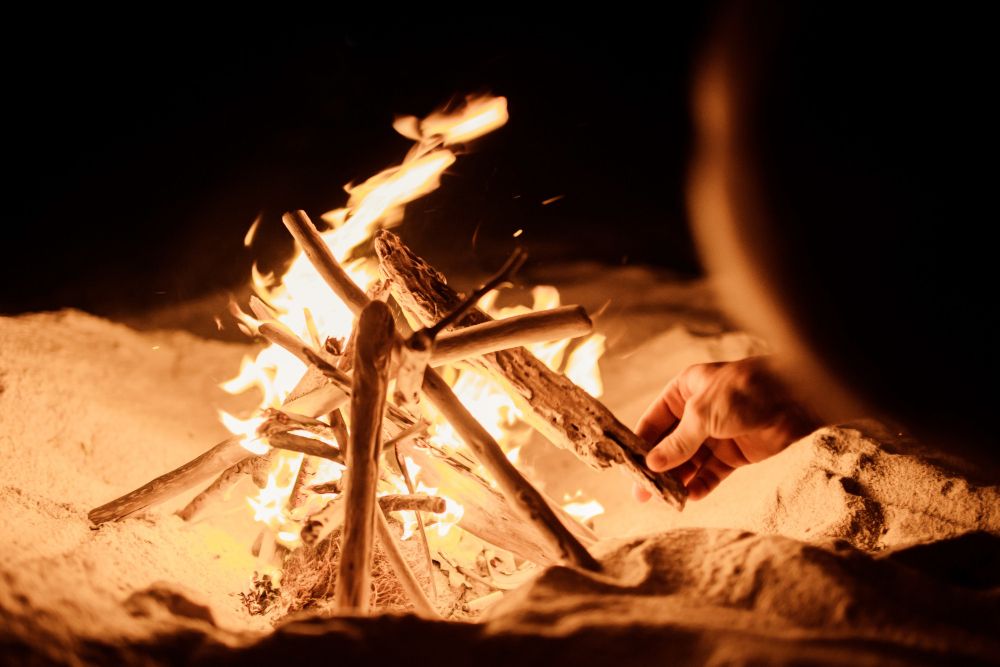
As summer approaches, Valencia celebrates another popular tradition: La Noche de San Juan.
On the night of 23 June, people traditionally gather along Mediterranean beaches to celebrate the beginning of summer with friends and family.
The atmosphere is lively, with music and gatherings near the sea.
What to expect: Busy beaches, evening celebrations and a particularly festive atmosphere along Valencia’s coastline.
Although San Juan is an important celebration, 24 June is not an official bank holiday in Valencia in 2027.
7. Gran Fira de València and the Battle of Flowers – July
July is another excellent month to experience Valencia’s cultural traditions.
The Gran Fira de València, also known as the July Fair, traditionally offers concerts, cultural activities and entertainment throughout the month.
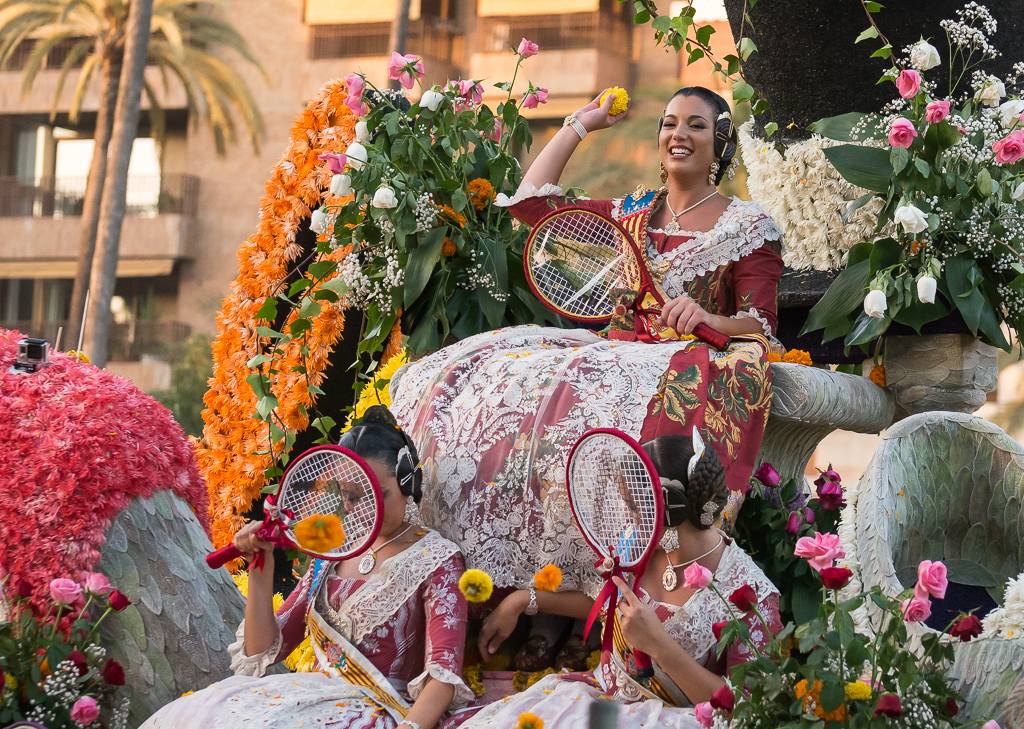
One of its most distinctive events is the Batalla de Flores (Battle of Flowers).
Held traditionally on the last Sunday of July, it features beautifully decorated floats, people wearing traditional Valencian costumes and a playful battle involving thousands of flowers.
In 2027, the last Sunday of July is 25 July, although the event’s official schedule still needs confirmation.
What to expect: Outdoor cultural events, summer entertainment and colourful celebrations.
8. Valencian Community Day – 9 October
The Día de la Comunitat Valenciana celebrates Valencian history and identity.
The date commemorates the entry of King James I into Valencia in 1238 and is marked by official ceremonies, parades and cultural activities.
It also coincides with Sant Donís, a celebration associated with love and affection.
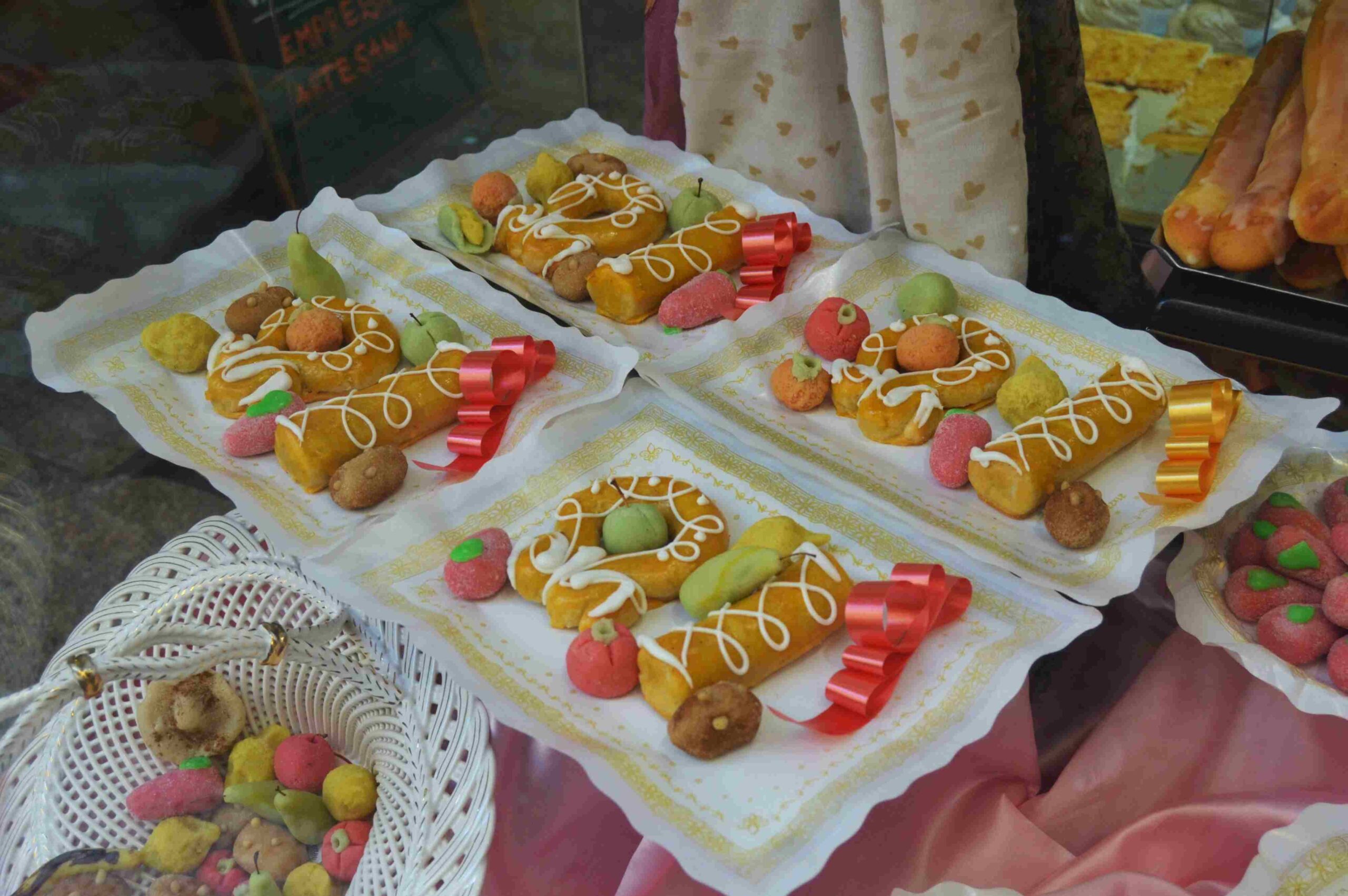
One of its most charming traditions is la mocadorà: giving someone a handkerchief filled with colourful marzipan sweets shaped like fruit and vegetables.
What to expect: Regional traditions, public ceremonies and special sweets in local bakeries.
In 2027, 9 October falls on a Saturday and is an official regional public holiday.
Keep learning | Spanish Christmas: Traditions, celebrations, and gifts
Valencia Bank Holidays 2027: Official public holiday calendar
Besides the festivals, it’s important to understand how Spain Bank Holidays work.
In Spain, public holidays can be national, regional or local. Each city has its own calendar combining these different types of holidays.
Valencia has 14 official public holidays in 2027: twelve established at national or regional level and two specific to the city.
Official public holidays in Valencia in 2027
Date | Bank holiday | Type |
1 January | New Year’s Day | National |
6 January | Three Kings’ Day | National |
22 January | Saint Vincent the Martyr | Local |
19 March | Saint Joseph’s Day | Regional |
26 March | Good Friday | National |
29 March | Easter Monday | Regional |
5 April | Saint Vincent Ferrer | Local |
1 May | Labour Day | National |
9 October | Valencian Community Day | Regional |
12 October | Spanish National Day | National |
1 November | All Saints’ Day | National |
6 December | Constitution Day | National |
8 December | Immaculate Conception | National |
25 December | Christmas Day | National |
Source: Official 2027 public holiday calendar published in Spain’s Official State Gazette (BOE), together with Valencia City Council’s local holiday calendar.
Some dates coincide with the festivals described above. Others, such as Labour Day or Constitution Day, are primarily official days off rather than major local celebrations.
Remember that Valencia Bank Holidays may differ from those in Madrid, Barcelona or other Spanish cities.
What to expect in Valencia during festivals and bank holidays
If you’re travelling to Valencia, a little planning will help you enjoy the celebrations without unexpected surprises.
Shops and restaurants
During official public holidays, banks, government offices and many shops close. Restaurants and tourist attractions may remain open, especially in popular areas, but opening hours can change.
Public transport
During major festivals, especially Las Fallas, some streets close to traffic and public transport routes may change.
On bank holidays, buses and metro services may also operate on special timetables.
Accommodation
Popular festivals attract visitors from across Spain and abroad. If you want to experience Las Fallas or another major celebration, booking accommodation early is advisable.
Spanish courses
If you’re planning to learn Spanish during your stay, check your school’s calendar before booking.
Public holidays don’t necessarily mean that all lessons are cancelled. Class timetables and alternative activities depend on each school’s arrangements.
At Españolé, we recommend confirming the schedule for your chosen course and dates before enrolling.
When is the best time to visit Valencia?
The ideal time depends on what you’d like to experience.
- March: Perfect for discovering Las Fallas and its spectacular atmosphere.
- April and May: Interesting months for traditional religious and cultural celebrations.
- June and July: Great for combining Mediterranean beach life with summer festivals.
- October: Ideal for discovering Valencian history and local identity.
If your priority is uninterrupted study time and a quieter environment, choosing dates outside the busiest festivals may be more suitable.
For more inspiration, explore our article `Learning Spanish in Valencia: discover why it’s one of the best places to study in Spain´
Experience Valencia’s festivals while learning Spanish at Españolé
Discovering local traditions is also a fantastic opportunity to practise Spanish in real situations.
At Españolé International House Valencia, we combine communicative Spanish lessons with cultural activities that help our international students connect with the city.
Our school is located in the historic El Carmen neighbourhood, close to many of Valencia’s most important cultural landmarks.
Whether you want to experience Las Fallas, discover local celebrations or enjoy a quieter study experience, we can help you find the right time to visit.
It may interest you | A day at Españolé: study Spanish in Valencia
Contact Españolé for personalised guidance about our Spanish courses, accommodation options and the best dates to study Spanish in Valencia.


