


Twenty years ago, Españolé International House Valencia opened its doors with a clear idea: learning Spanish should involve more than studying grammar and vocabulary. It should also mean using the language in everyday life, discovering a new culture and meeting people from different parts of the world.
In 2026, Españolé celebrates its 20th anniversary. It is an opportunity to look back at how the school has changed and at the people who have been part of its history.
The beginnings of Españolé
Españolé was founded in 2006 by its director, Cristina Navarro, drawing on a family tradition in language education.
From the beginning, the aim was to combine high-quality Spanish teaching with an international and welcoming environment. Valencia offered the ideal setting: a Mediterranean city with a strong local identity, a rich cultural heritage and a relaxed way of life.
The objective was not simply for students to attend classes, but for them to use Spanish throughout their stay: in shops, restaurants, cultural activities and conversations with local people.
From a small school to a Gothic palace
As the number of students and programmes increased, the school gradually needed more space.
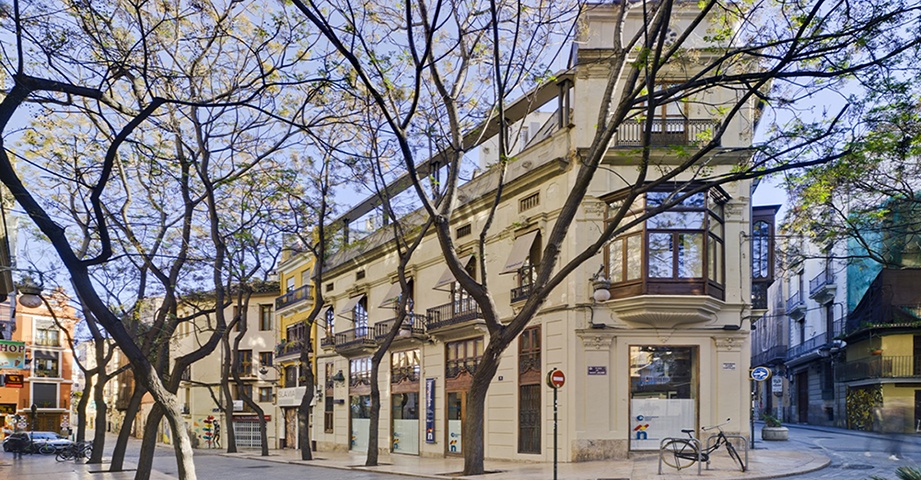
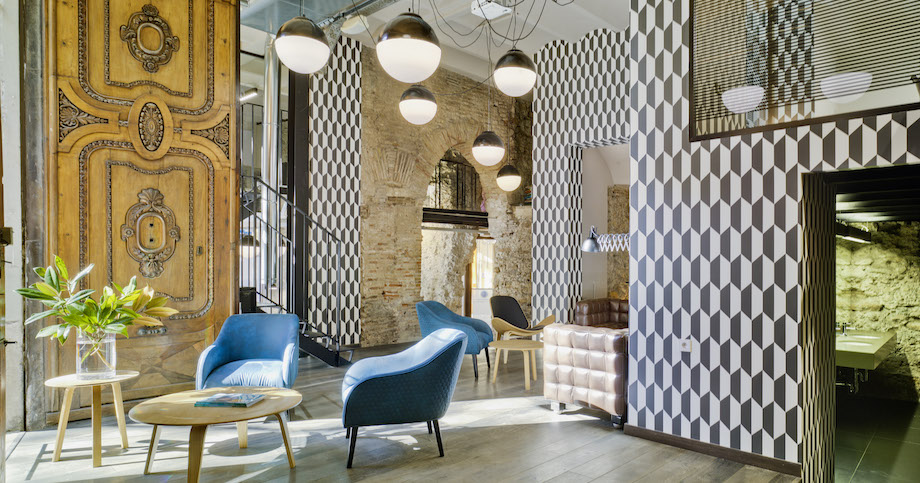
A major milestone came in 2018, when Españolé moved to the Palacio de los Fernández de Córdova, a restored Gothic palace in Valencia’s historic centre.
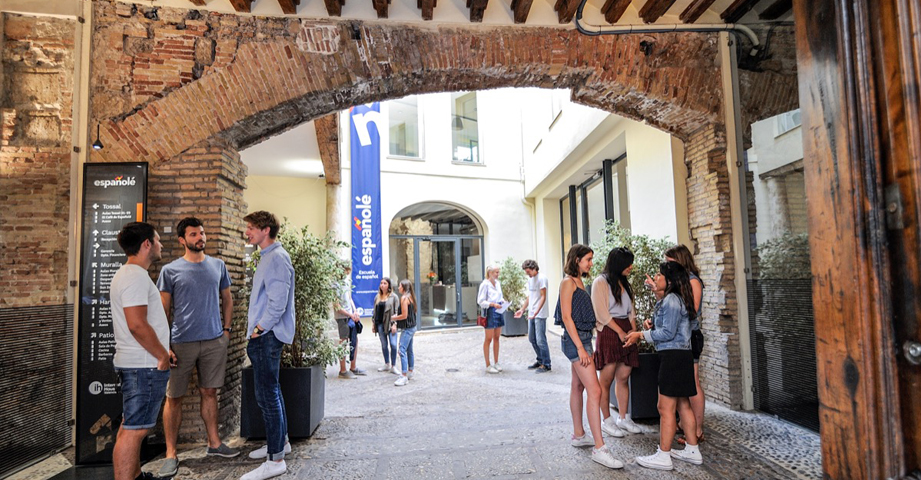
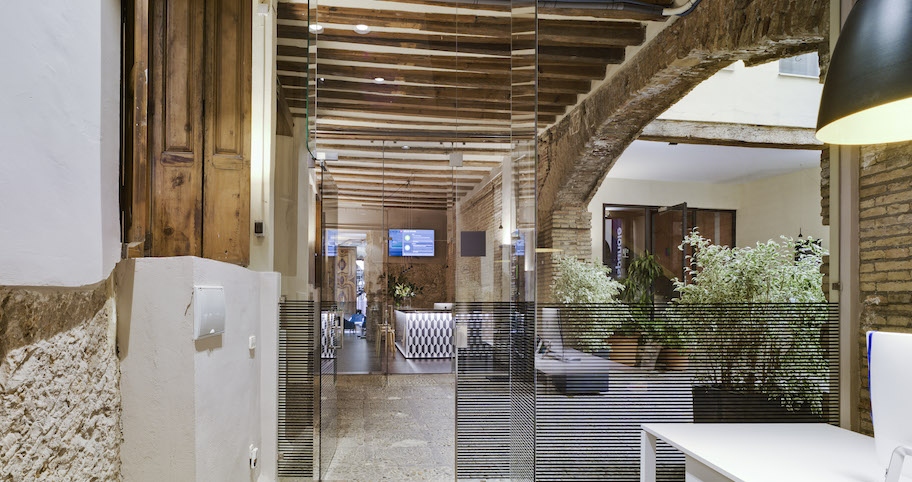
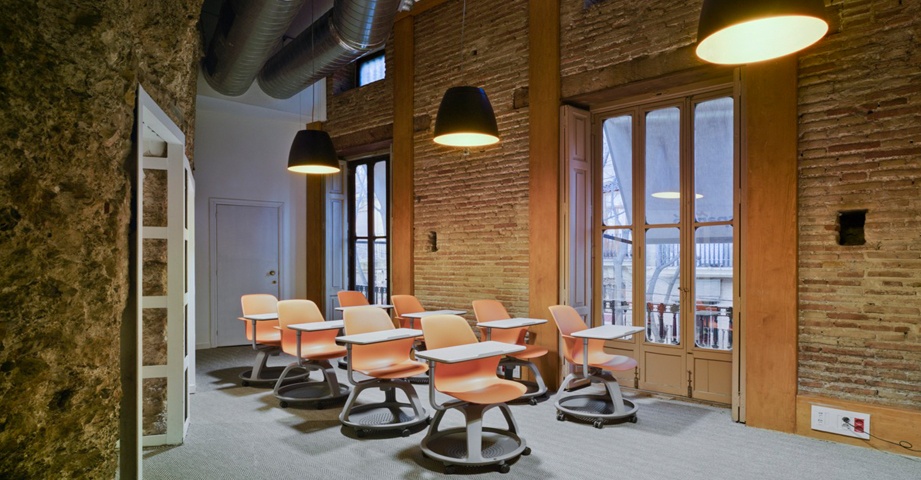
The building stands beside the remains of the city’s 11th-century Arab wall. Parts of the wall can still be seen inside the school and within some of its classrooms.
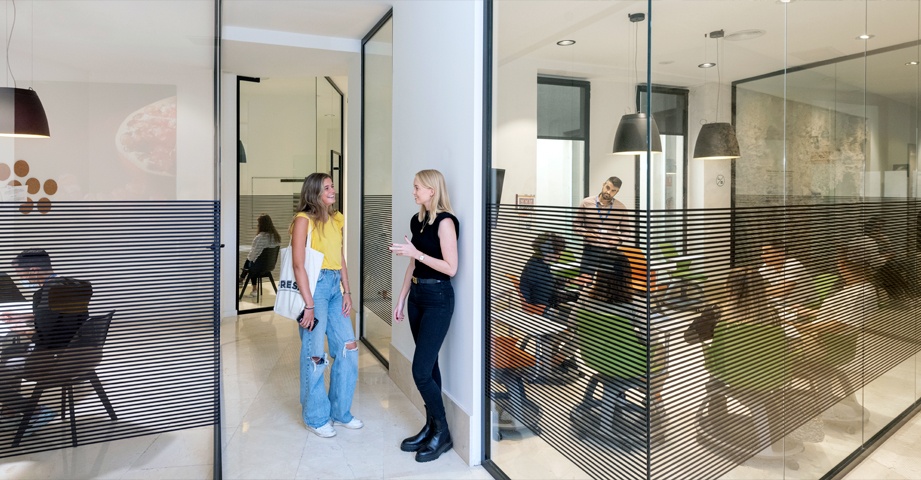
The restoration combined the original architecture with modern classrooms, common areas, terraces and a central patio. The result is a school where different periods of Valencia’s history coexist with the daily life of an international language centre.
Learning through everyday experiences
Teaching at Españolé has always focused on communication and practical language use.
Students work on grammar and vocabulary, but they also learn how to use Spanish in situations they may encounter outside the classroom. Lessons encourage participation, conversation and interaction between students.
The learning experience also continues through cultural activities, visits, excursions and informal conversations with classmates.
Over the years, programmes have expanded to reflect the different reasons students choose to study Spanish. Some learn for travel or personal interest, while others need the language for their studies, professional careers or plans to live in Spain.
There are also students preparing for official exams, university entrance or specialised areas such as business and medicine.
An international community
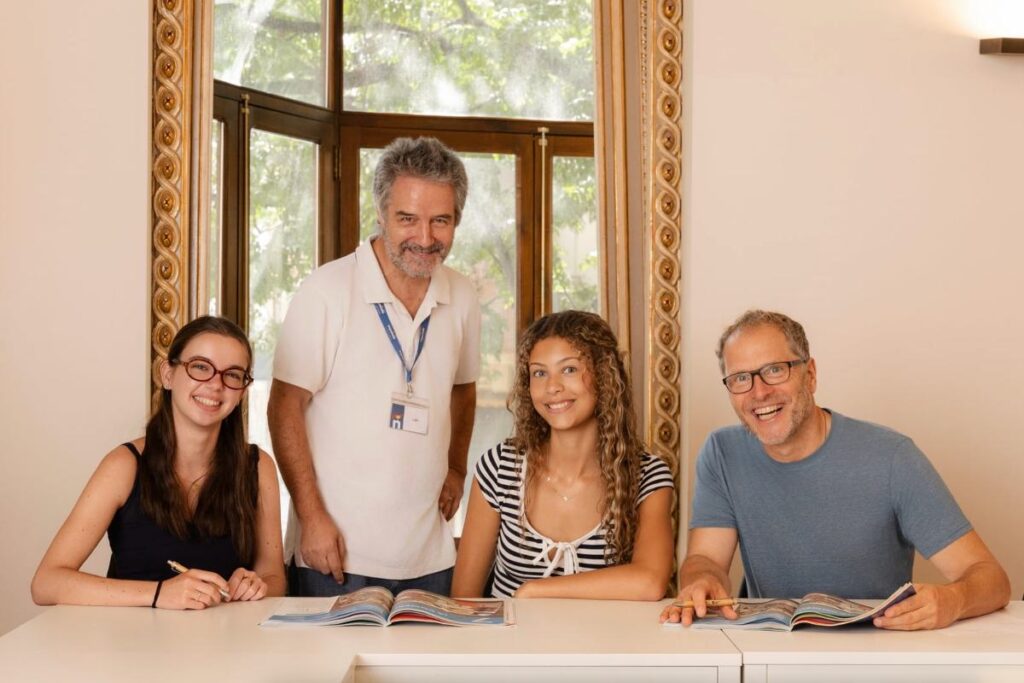
One of the main changes over the past two decades has been the growing international diversity of the school.
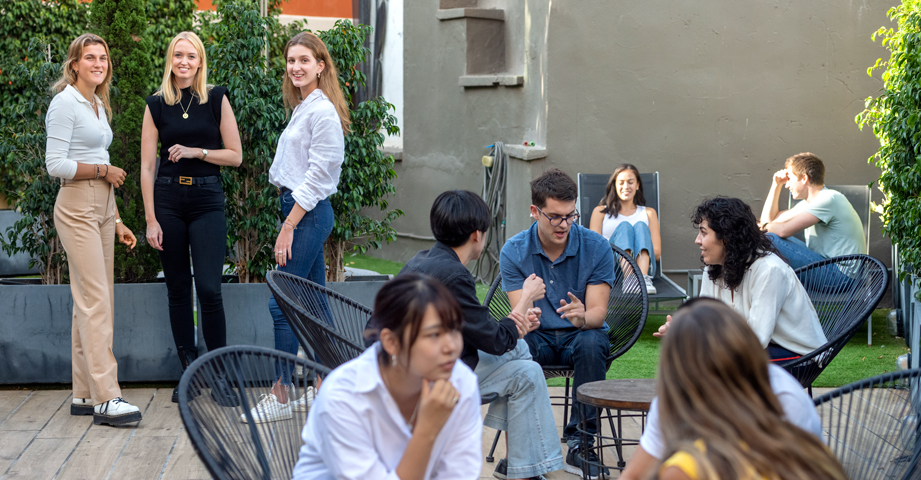
Students arrive in Valencia from many different countries and at different stages of their lives. Some stay for only a few weeks, while others study for several months or for a complete academic year.
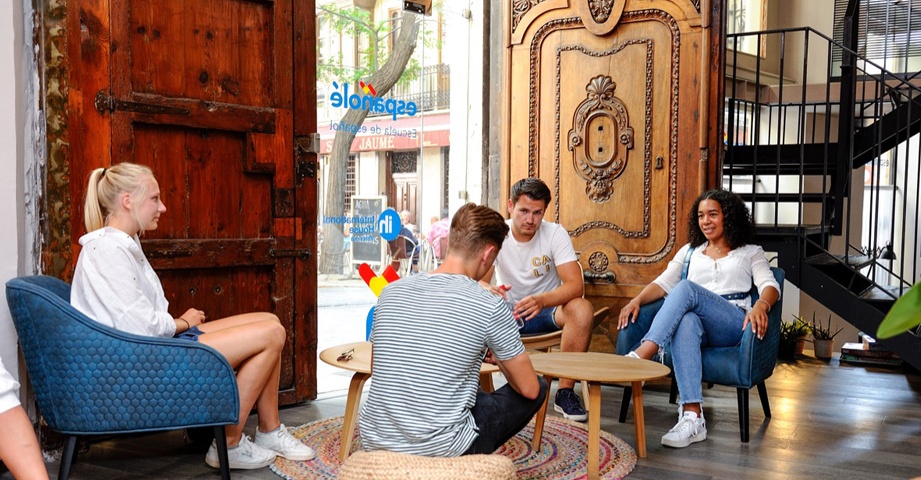
This mixture of nationalities, ages and backgrounds creates an environment in which Spanish becomes the common language.
For many students, the friendships they form are as important as the academic experience. Sharing classes and discovering Valencia together often creates connections that continue long after the course has ended.
Keep reading: A day at Españolé School
The role of Valencia
Valencia has played an essential part in the development of Españolé.
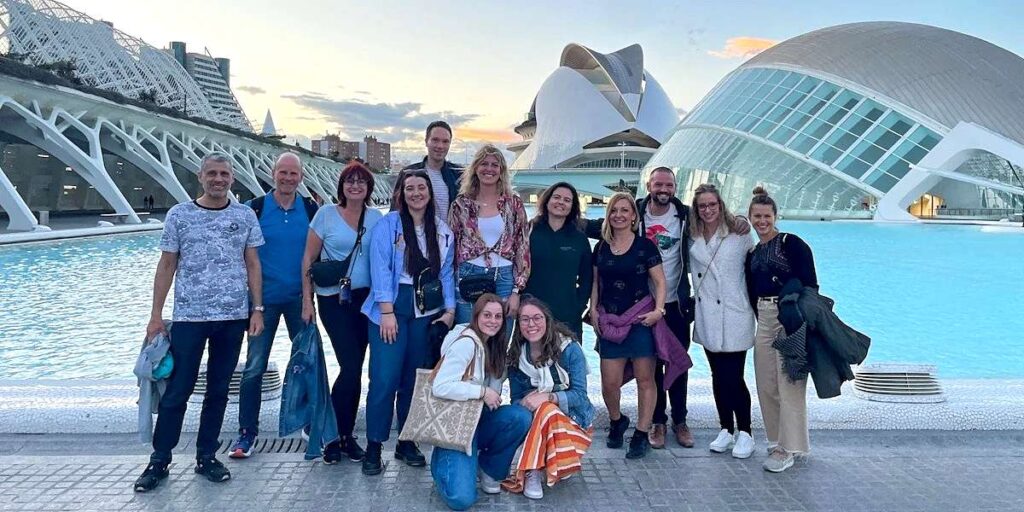
The city offers students the experience of living in a large Spanish city while remaining relatively easy to explore. Its historic centre, beaches, neighbourhoods, markets and cultural life provide many opportunities to use Spanish naturally.
The Mediterranean climate also allows much of social life to take place outdoors. Terraces, public squares, parks and beaches become part of the student experience.
Although Valencia has changed considerably since the school opened in 2006, it has maintained a strong connection with its traditions, language and local culture.
Language learning in a digital world
The way people study languages has changed significantly over the last 20 years.
Students now have access to applications, online lessons, videos and digital resources that were not widely available when Españolé opened. These tools have made language learning more accessible and flexible.
However, living in the country where the language is spoken remains a very different experience.
Daily interaction requires students to respond spontaneously, understand different accents and adapt to real situations. It also allows them to connect the language with people, places and personal experiences.
Digital tools can support learning, but they cannot fully reproduce the cultural and social dimension of living abroad.
The people behind the school
The history of Españolé is also the history of the people who have contributed to it.
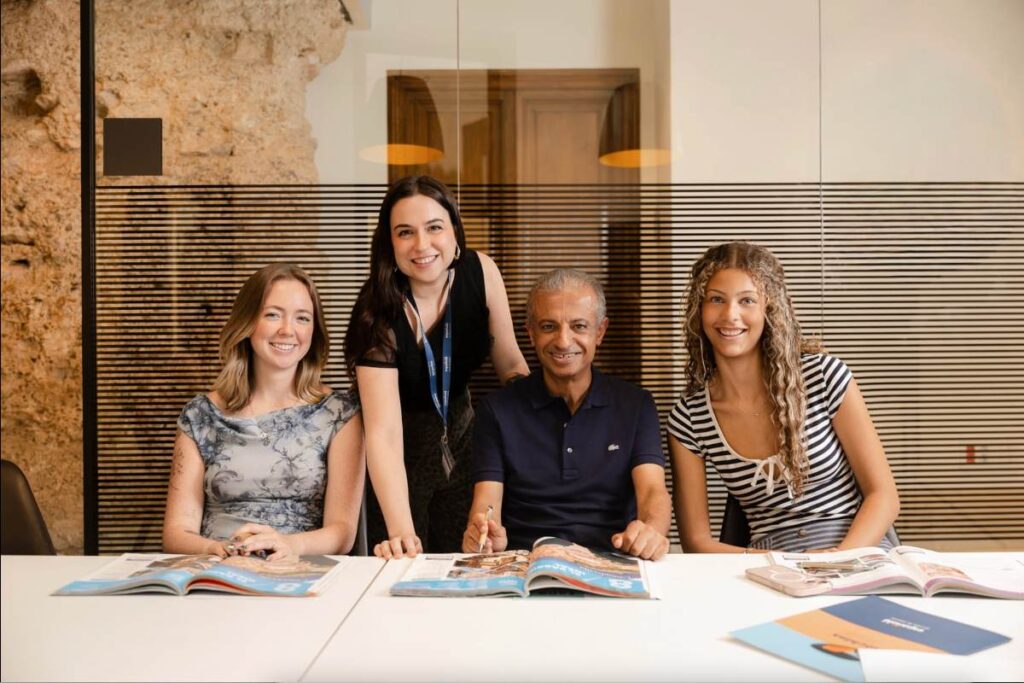
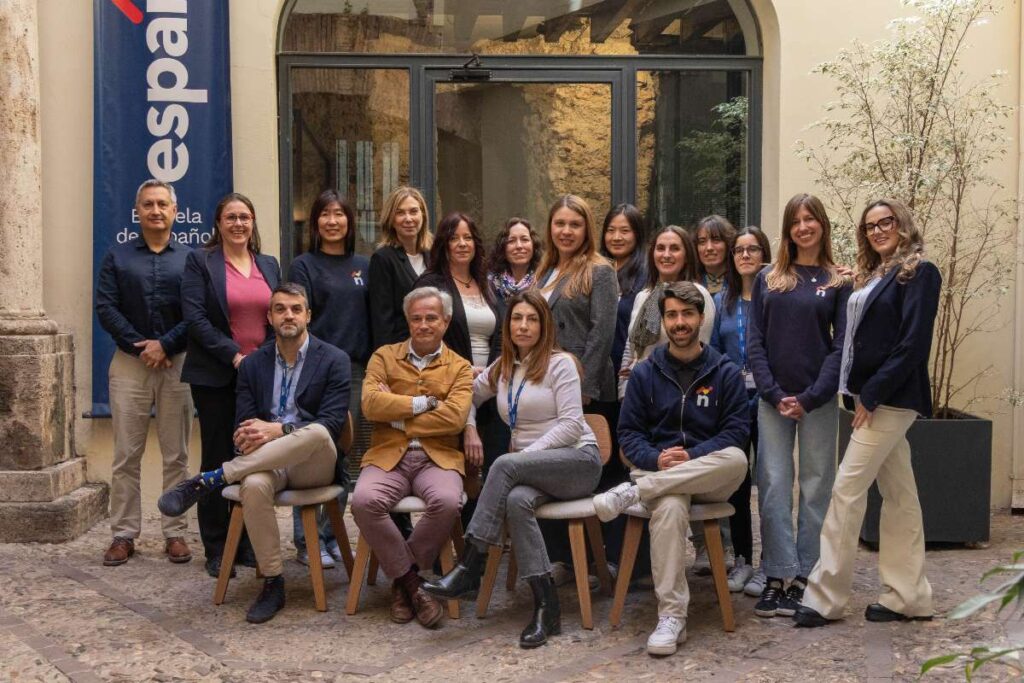
Teachers, administrative staff, activity coordinators, host families and accommodation teams have all played a part in supporting students during their time in Valencia.
Many colleagues have worked at the school for years and have seen it grow and change. Long-term relationships have also been established with educational organisations and agencies in different countries.
Most importantly, thousands of students have passed through the school since 2006. Their experiences, feedback and different perspectives have helped shape Españolé into what it is today.
Looking towards the future
The 20th anniversary is a moment to celebrate, but also to consider how language education will continue to evolve.
Students’ expectations, technology and international education are constantly changing. Schools need to adapt while maintaining the elements that make studying abroad valuable: personal contact, cultural understanding and meaningful communication.
After two decades, the central idea behind Españolé remains the same: helping students learn Spanish while experiencing everyday life in Valencia.
The methods, programmes and facilities may continue to change, but people and communication will remain at the centre of the experience.


